
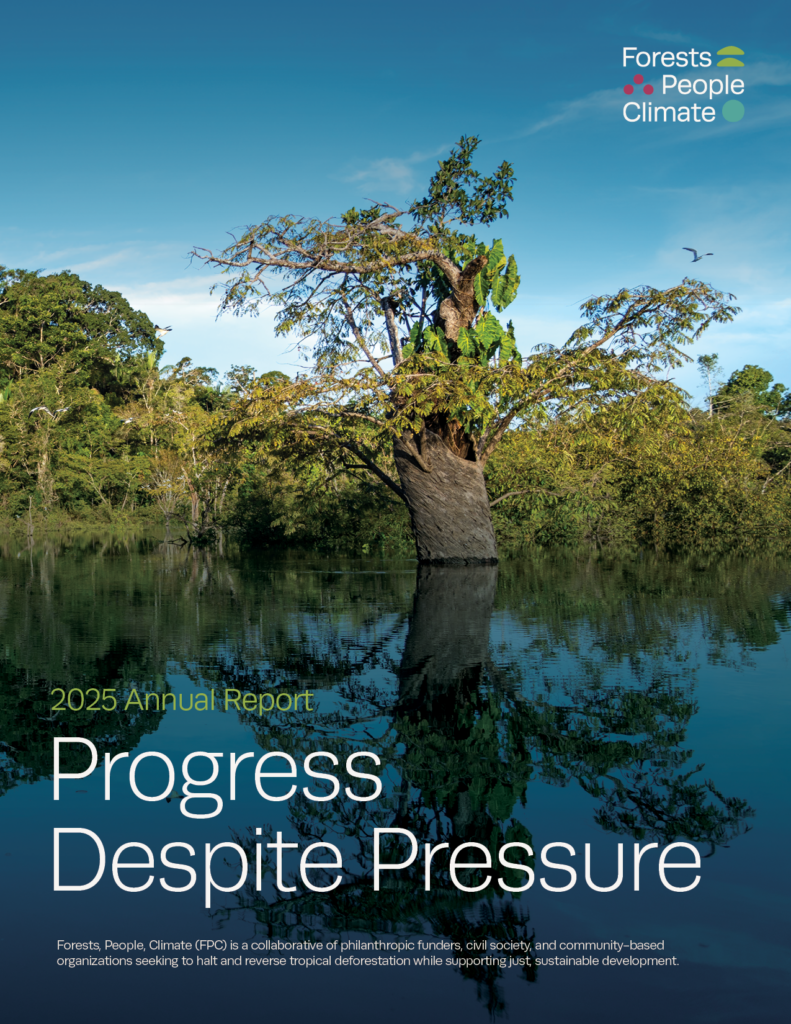
Last year, durable coalitions of civil society, donors, and researchers delivered meaningful progress to protect the world’s tropical forests. This happened against a backdrop of fragmented geopolitics, reduced international aid budgets, and persistent threats.
Progress Despite Pressure, the Forests, People, Climate (FPC) 2025 Annual Report, recounts how partners across the Brazilian Amazon, Indonesia, and the Congo Basin advanced the rights of the people who steward forests, shifted financial systems to favor standing forests, and strengthened the political conditions for lasting policies protecting forests and community rights.
Philanthropic collaboratives have become one of the few sources of long-term, coordinated support that can move independently of political cycles. In 2025, FPC and its aligned donors channeled 277.5 million dollars to 371 organizations—an increase of more than 80 percent over the previous year. Read our report for the stories behind the numbers, the systemic shifts it is helping to unlock, and a look at the work ahead in 2026.
Report Highlights
36%
drop in tropical primary forest loss in 2025, the largest single-year decline on record.
70,000+
people from Indigenous, Afro-descendant, local community, social, and environmental movements joined the People’s Summit in the city of Belém.
1.4M
hectares committed to Indigenous communities by the Indonesian government’s at COP30.
$1.8B
was committed by the Forest Tenure Funders Group’s COP30 Pledge.
$135M
was committed by FPC in alignment with the pledge.
2025 in Images
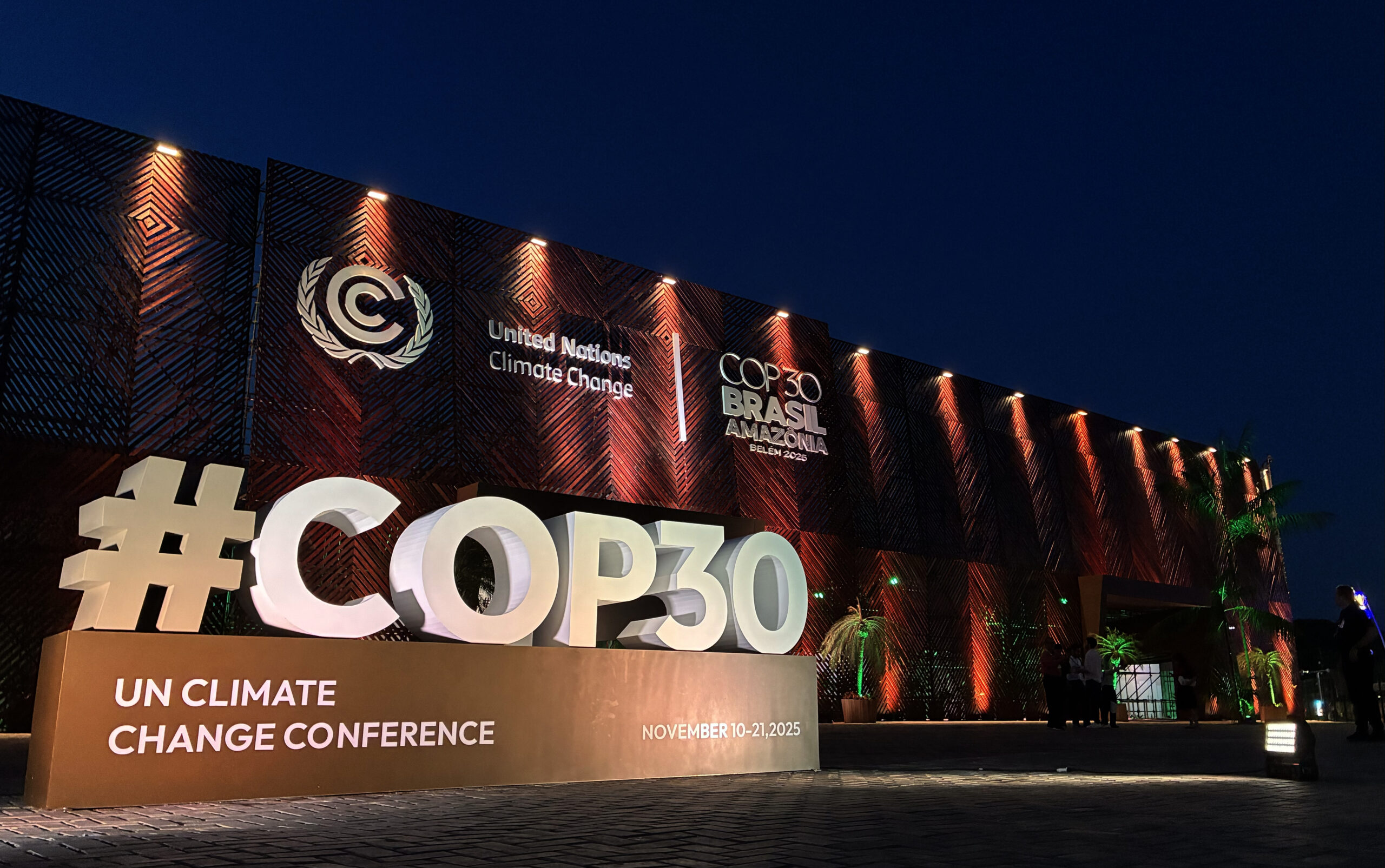
COP30 in Brazil marked a major opportunity to spotlight the challenges the Amazon faces.
Sergio Moraes/COP30
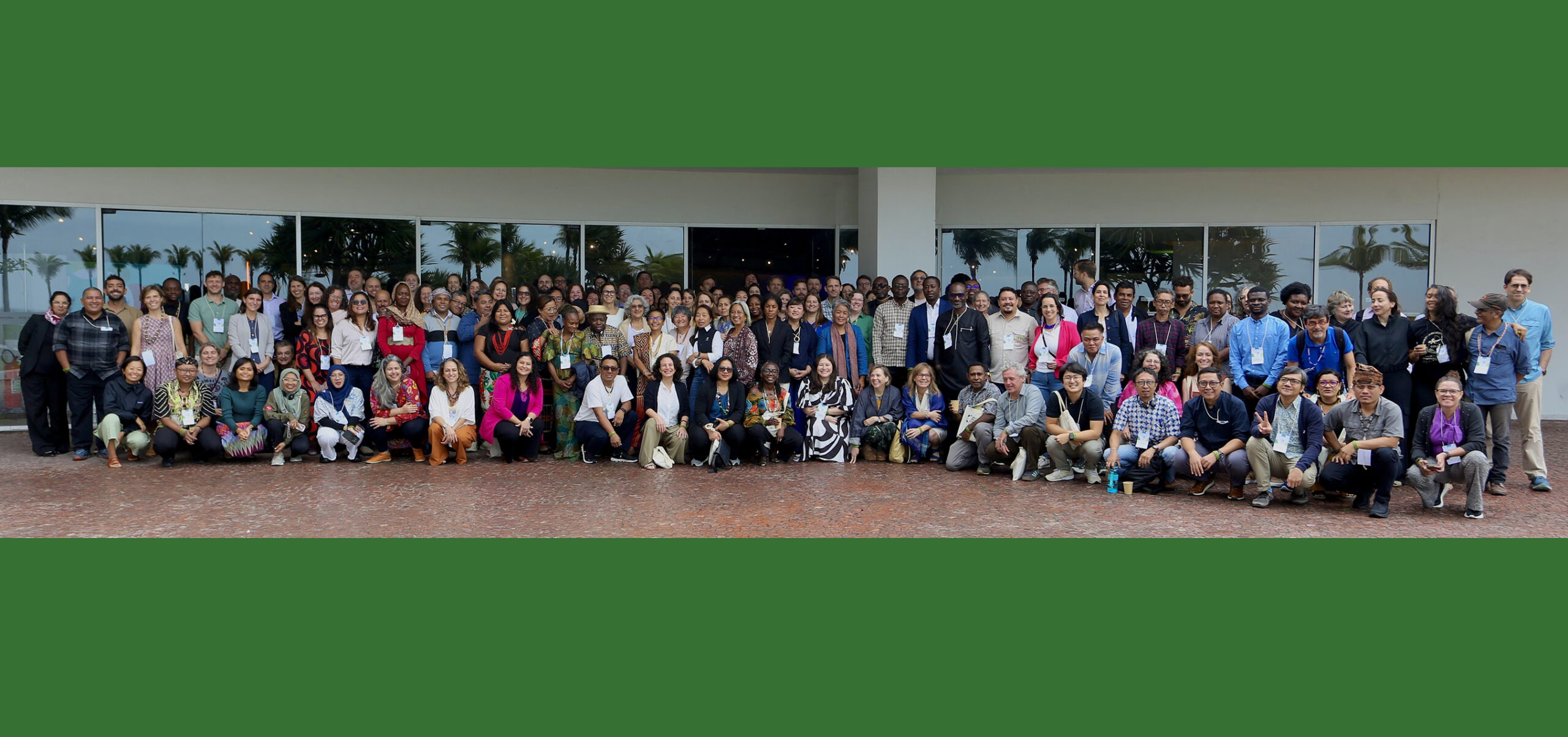
Our community during the Forests, People, Climate (FPC) Global Convening in Brazil.
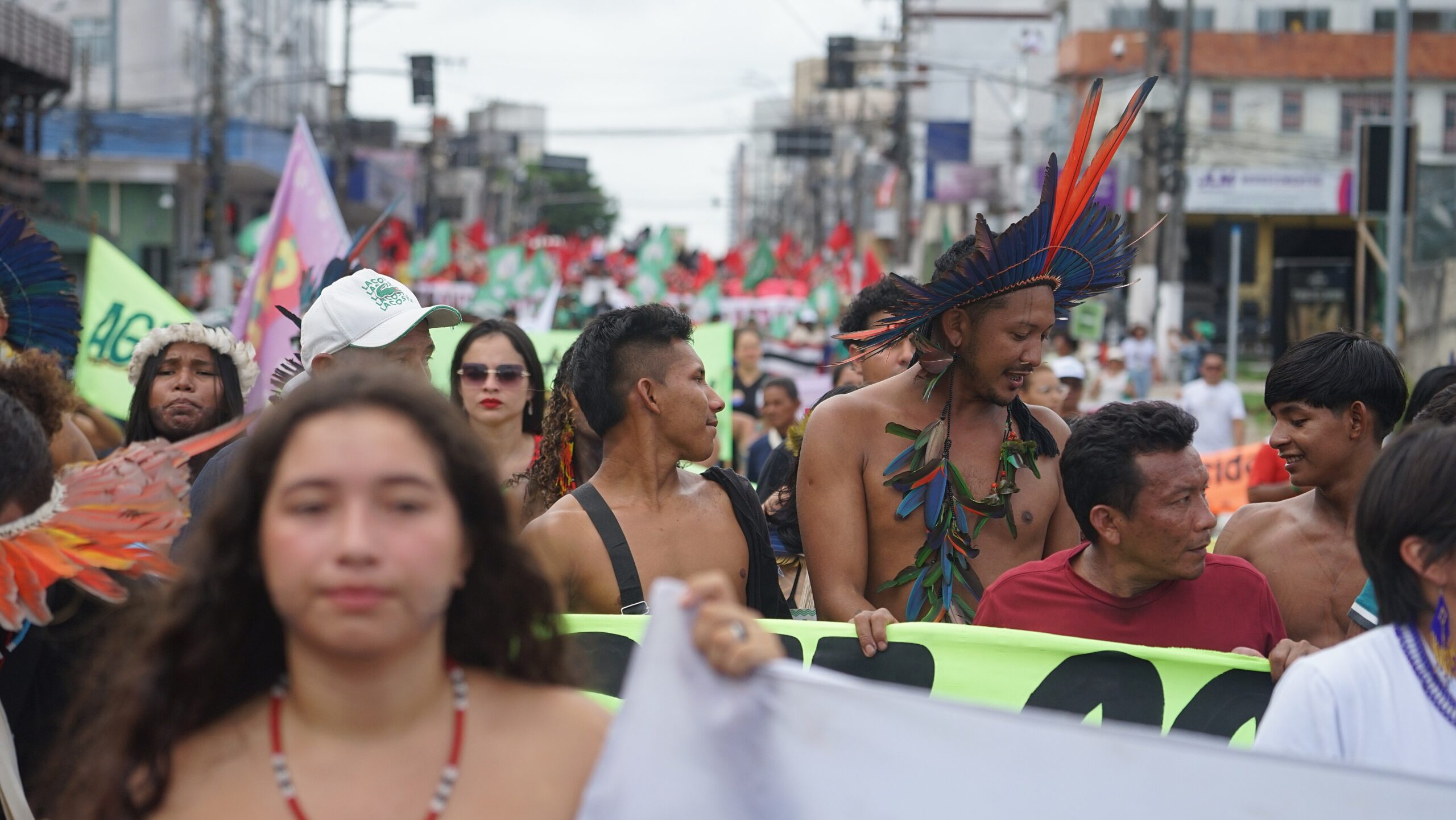
Over 5,000 Indigenous Peoples gathered in Belém for COP30.
Xuthoria Creative Commons 4.0
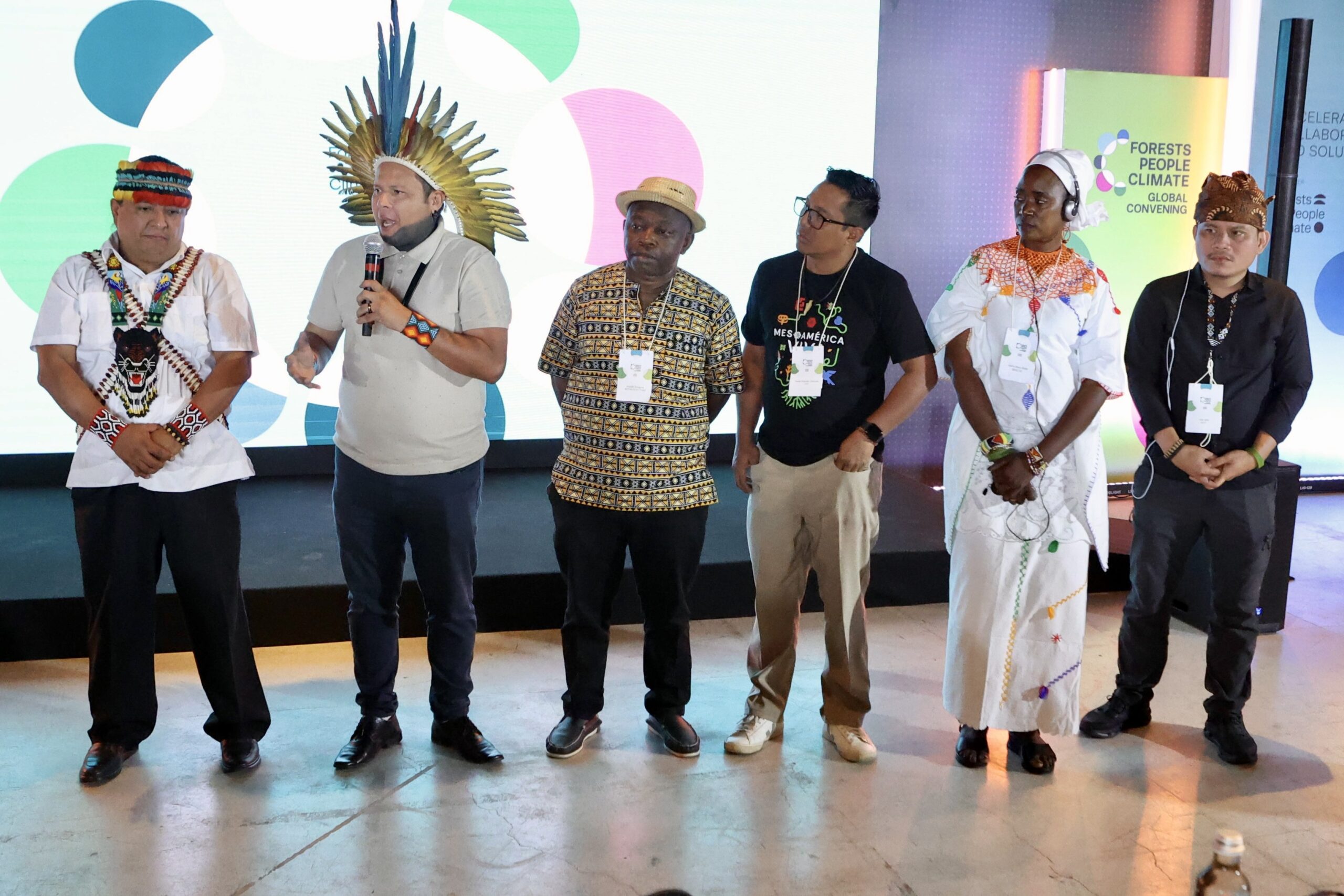
Indigenous and local communities’ partners at the FPC Global Convening in Brazil.
2025 Geographical Regional Summaries
All Eyes Were on Brazil in 2025
Despite facing headwinds in environmental legislation and community protections, Brazil entered the COP30 climate talks it hosted in Belém with impressive results. Deforestation fell by more than 11% in both the Amazon and nearby Cerrado ecosystems from August 2024 to July 2025. In the Amazon, this represents the fourth consecutive year of decline and a 50% reduction in deforestation over the past four years. COP30 also saw a historic mobilization by Indigenous Peoples, Afro-descendants Peoples, and local communities in Belém. Meanwhile, the socio-bioeconomy agenda that seeks to advance food security, agroecology, and low-carbon job creation, gained significant momentum at COP30 and in Brazilian national policy, offering a longer-term economic vision aligned with forest protection.
11%
Deforestation fell by more than 11 percent in both the Amazon and Cerrado.
Collective Action in Indonesia
In 2025, Indonesia saw movement on all three of the systems FPC works to shift. Financial incentives for standing forests, the rights of the people who protect them, and the governance conditions that make progress durable. Indonesia reopened its carbon market in 2025 with stronger rules and a new governance framework, and six provinces registered under the leading jurisdictional REDD+ standard, ART TREES, which is designed to verify emission reduction credits through rigorous standards for monitoring, accounting, and transparency. At COP30, Indonesia pledged to recognize an additional 1.4 million hectares of Indigenous Peoples’ territories. A civil society network built deliberately over two years mobilized across sectors for a swift response when Cyclone Senyar struck Sumatra in November. Despite intensifying threats, the developments of 2025 have laid the groundwork for lasting change in Indonesia’s forest sector if the momentum behind them is sustained.
1.4M
hectares of Indigenous Peoples’ territories recognized.
Forging Pathways for Committed Partners in the Congo Basin
The Congo Basin is the second-largest tropical forest and one of the most biodiverse regions in the world yet receives 4% of the international forest finance going to other tropical forest basins. Estimates of the cost of durable forest protection in the Democratic Republic of the Congo (DRC) dwarf what the region currently receives. In per-hectare terms, the Congo Basin currently receives US$0.21–US$0.50 in tropical forest finance per year, while meaningful forest protection in the DRC would require an estimated US$10–US$15 per hectare, implying a US$330 million annual shortfall in forestry development assistance. In 2025, FPC worked to strengthen donor understanding, regranting infrastructure, and civil society networks that could change those numbers.
$330M
The funding gap FPC is working to close for Congo Basin forest protection.