
We prioritize collective, evidence-based learning to achieve equitable and enduring solutions
The Forests, People, Climate (FPC) Monitoring & Learning (M&L) Framework brings together partnerships, innovation, and knowledge to track collective efforts toward protecting tropical forests across multiple geographies. As a global collaborative, we learn with, and from, our wide network to determine where to focus our efforts and build a case for change.
In order to better understand collective impact worldwide, a set of Global Measures assess momentum towards our goal of halting and reversing tropical deforestation while supporting just, sustainable development. Progress toward this goal represents the result of thousands of actions led by different organizations and movements across the globe.
In order to better understand collective impact worldwide, a set of Global Measures assess momentum towards our goal of halting and reversing tropical deforestation while supporting just, sustainable development. Progress toward this goal represents the result of thousands of actions led by different organizations and movements across the globe.
7. Social progress
Halting and reversing deforestation must be advanced alongside sustainable development, recognizing that lasting benefits for nature depend in part on society’s ability to meet people’s needs and support their wellbeing. The Social Progress Index (SPI) measures the lived conditions of a society (basic needs, wellbeing and opportunity) separately from economic output, recognizing that GDP alone doesn’t necessarily reflect whether people have what they need to thrive.
Across tropical forest countries, SPI has improved over the past decade, but gains have slowed recently, in line with a broader global slowdown. FPC focal geographies have also improved and, while not mirroring that slowdown, continue to lag behind the rest of the tropics and the pantropical region as a whole.
Why it matters
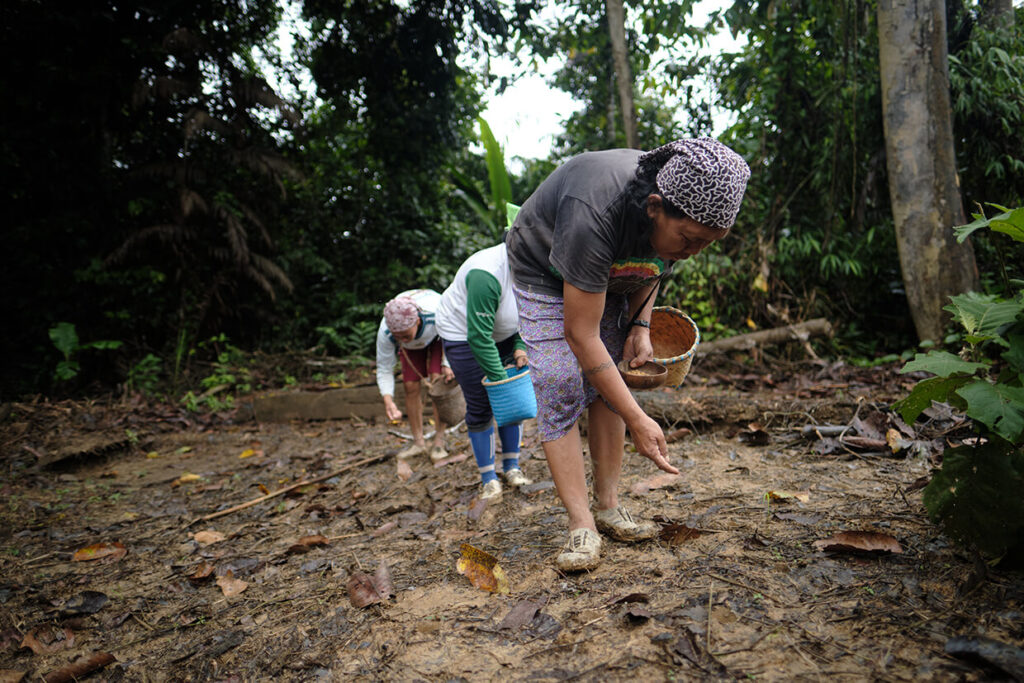
Around the world, economic growth has often come at the expense of forests and local communities. FPC’s goal is to both halt and reverse tropical deforestation and support just, sustainable development. The Social Progress Index helps look beyond income to assess basic needs, wellbeing, and opportunity – conditions that shape people’s ability to pursue secure livelihoods, participate in decision-making, and support sustainable forest stewardship. Such progress is essential in the regions where many of the world’s remaining tropical forests stand so that communities can thrive while keeping forests intact.
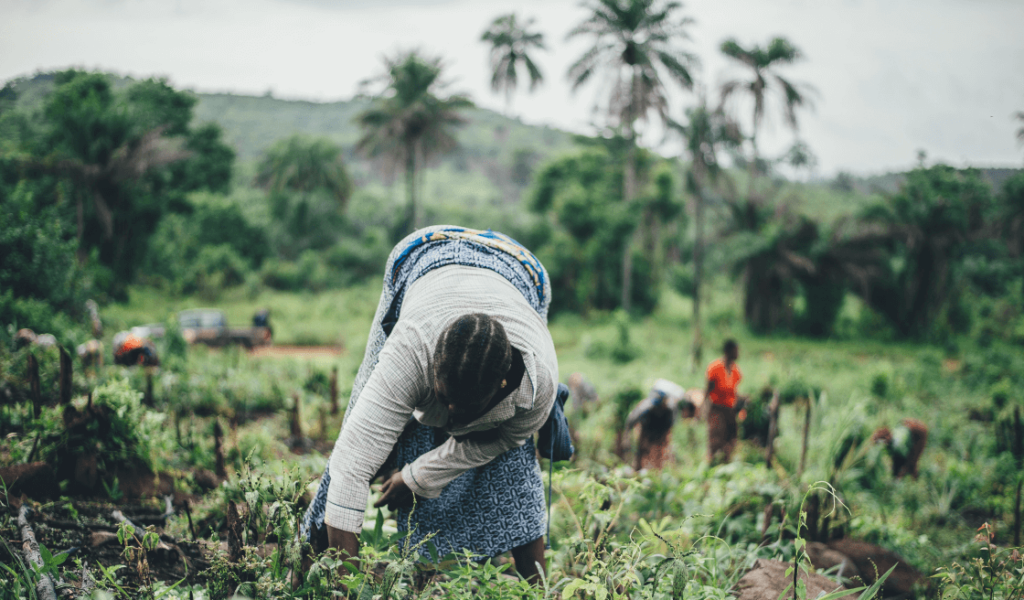
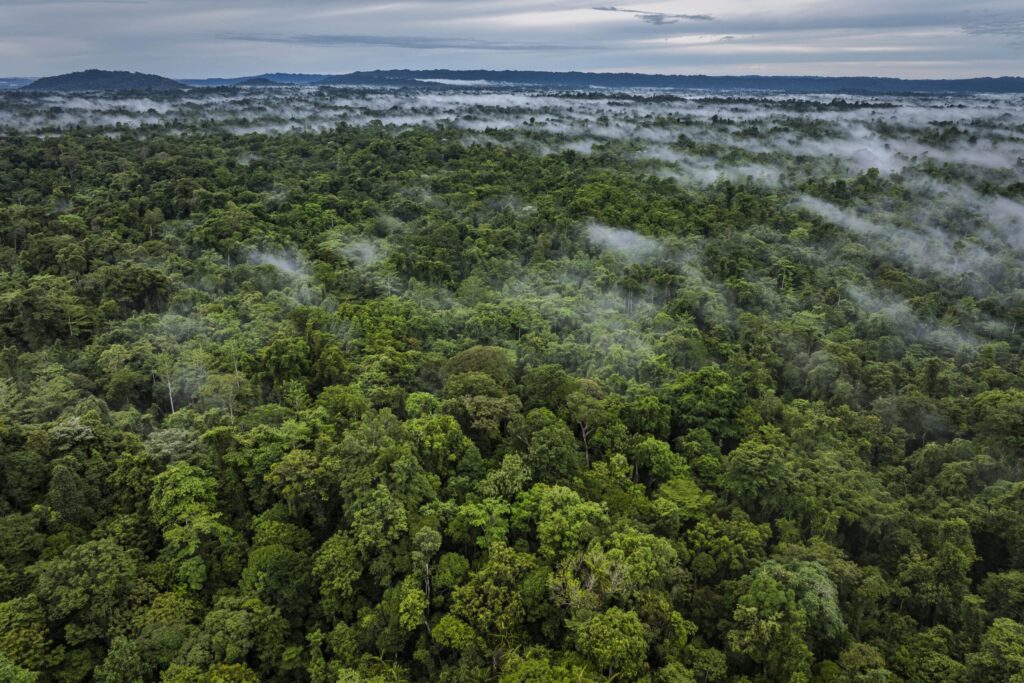
Photo by Michael Padmanaba/CIFOR
Within geographies where FPC focuses, however, there is considerable variation in both social progress levels and rates of change.
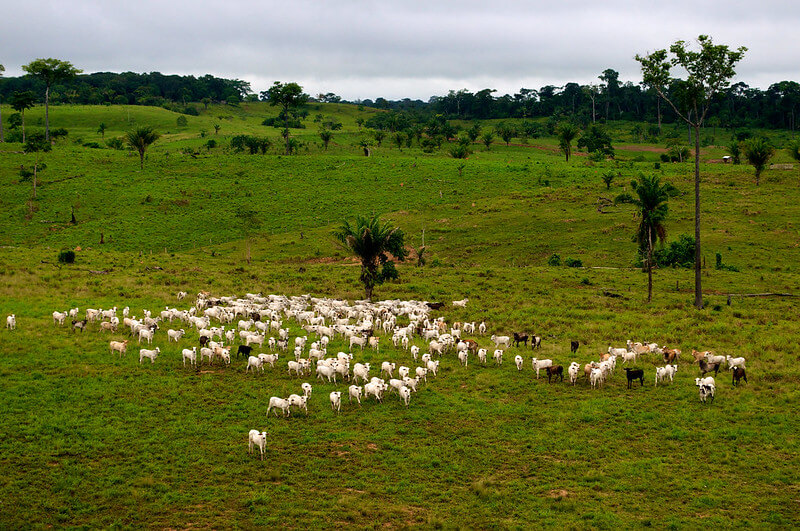
The Brazilian Amazon continues to lag behind the national social progress average.[39]
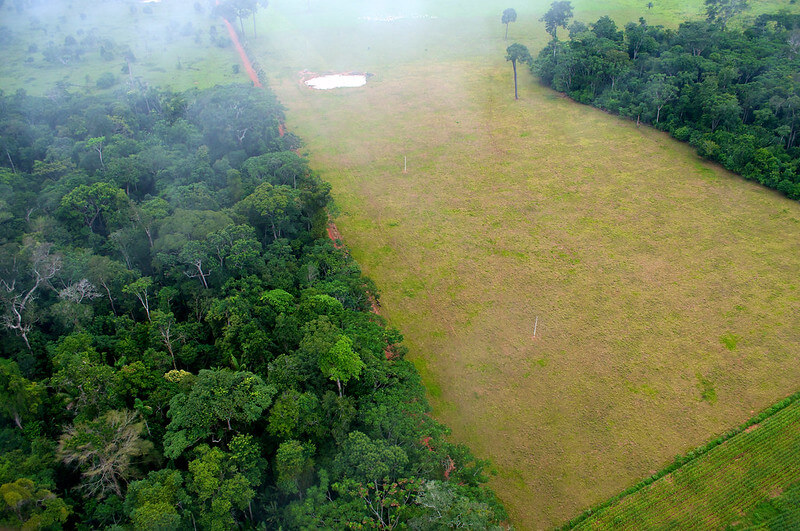
Safety is a persistent challenge across much of the Brazilian Amazon, and Freedom & Choice also performs poorly. Environmental quality is the region’s weakest component, reflecting concentrated deforestation, suppression of secondary vegetation, high associated greenhouse gas emissions and limited urban green areas. Health outcomes appear relatively stronger in parts of Pará and Amazonas, though this does not offset broader deficits across other SPI components.
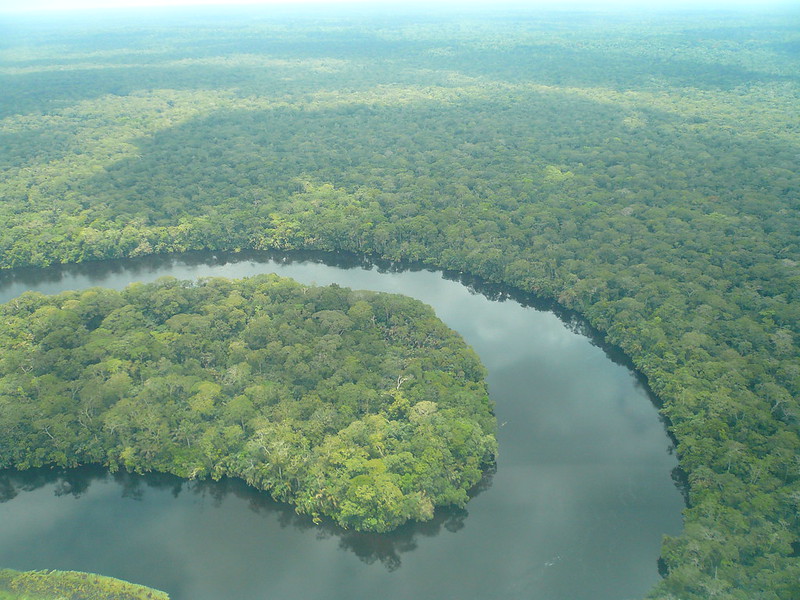
Social progress in the Congo Basin has improved modestly since 2011 but remains lower than in other geographies where FPC focuses.
There is considerable variation within the region, from the Central African Republic (lowest) to Gabon (highest). Opportunities (including rights, freedoms, inclusion and access to advanced education) remain weak across the Congo Basin, while basic needs such as nutrition, water and sanitation, housing and safety are also especially constrained in the Democratic Republic of the Congo (DRC) and the Central African Republic.
In Indonesia, social progress has improved by about 14% since 2011, though progress remains uneven across dimensions and geographies, including in forest frontier areas.
SPI scores are the strongest for basic needs and weakest in opportunity, particularly in areas related to advanced education, inclusion and individual freedoms. Housing remains the highest scoring component, while advanced education (including academic freedom and women in higher education) and inclusive society (including discrimination and violence against minorities) remain the lowest-scoring.
SPI is a people-centered measure of social progress focused on non-economic aspects of basic needs, wellbeing, and opportunity. It combines 57 social and environmental outcome indicators into an alternative to traditional measures of economic performance such as GDP. For the Brazilian Amazon and Amazon-state values, SPI scores were calculated as simple averages of SPI Brazil municipal scores for municipalities within the Legal Amazon and within each Amazon state, rather than as population-weighted averages of municipal SPI scores used by SPI Brazil / IPS Brasil.